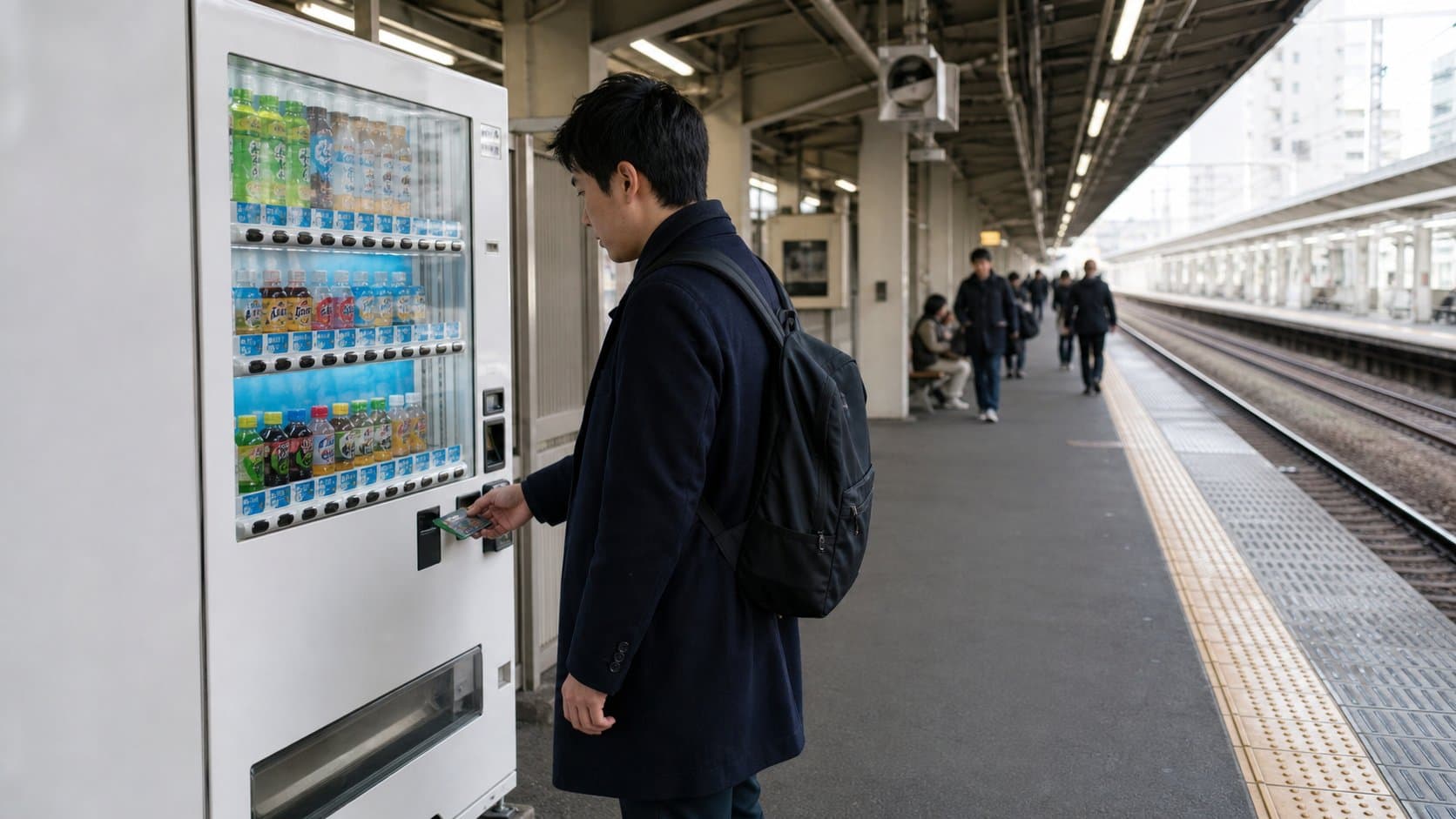
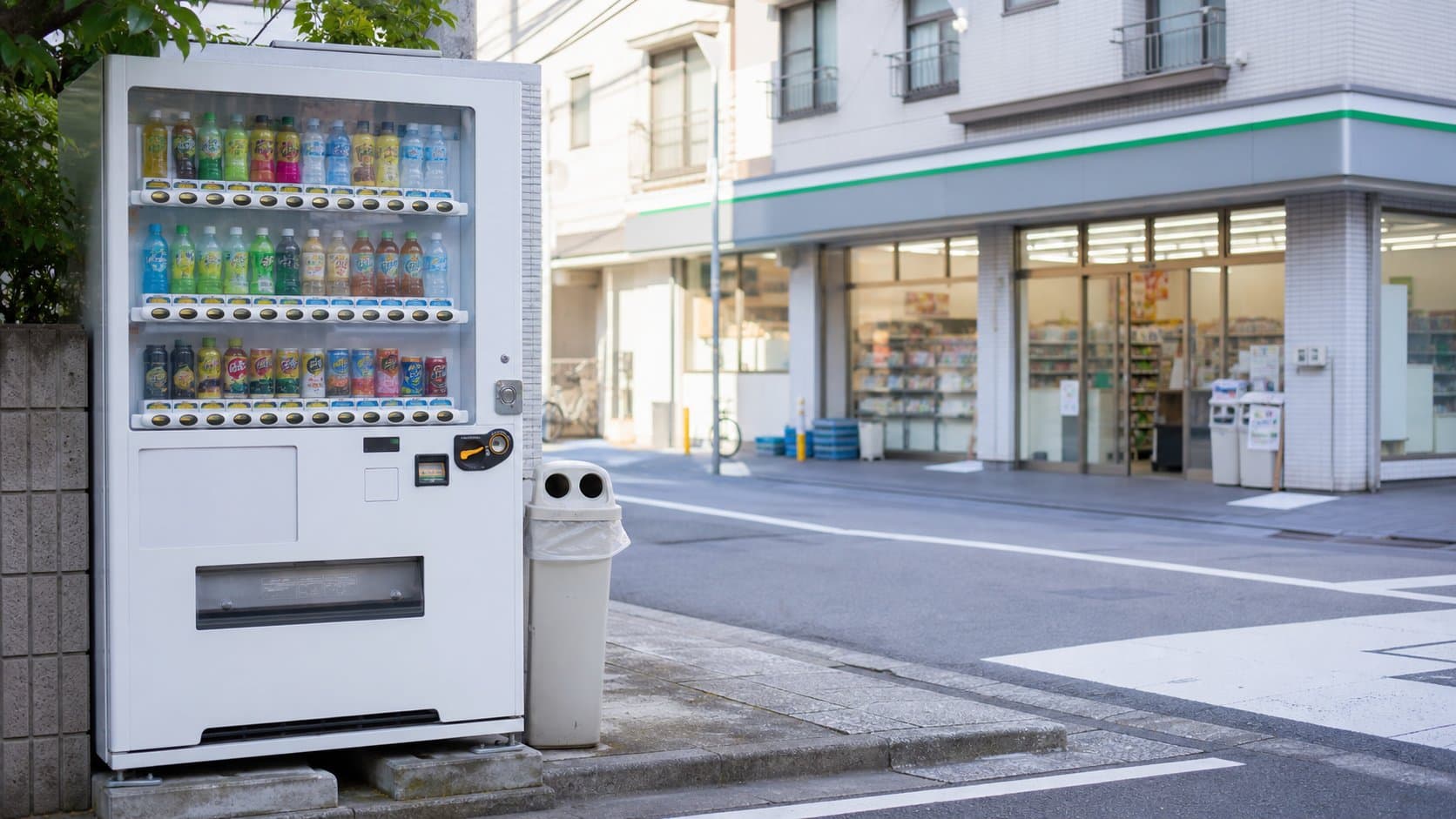
Food Vending Machines You Can Find in Japan
From frozen meals to snacks, explore the broad range of food sold through machines in Japan.
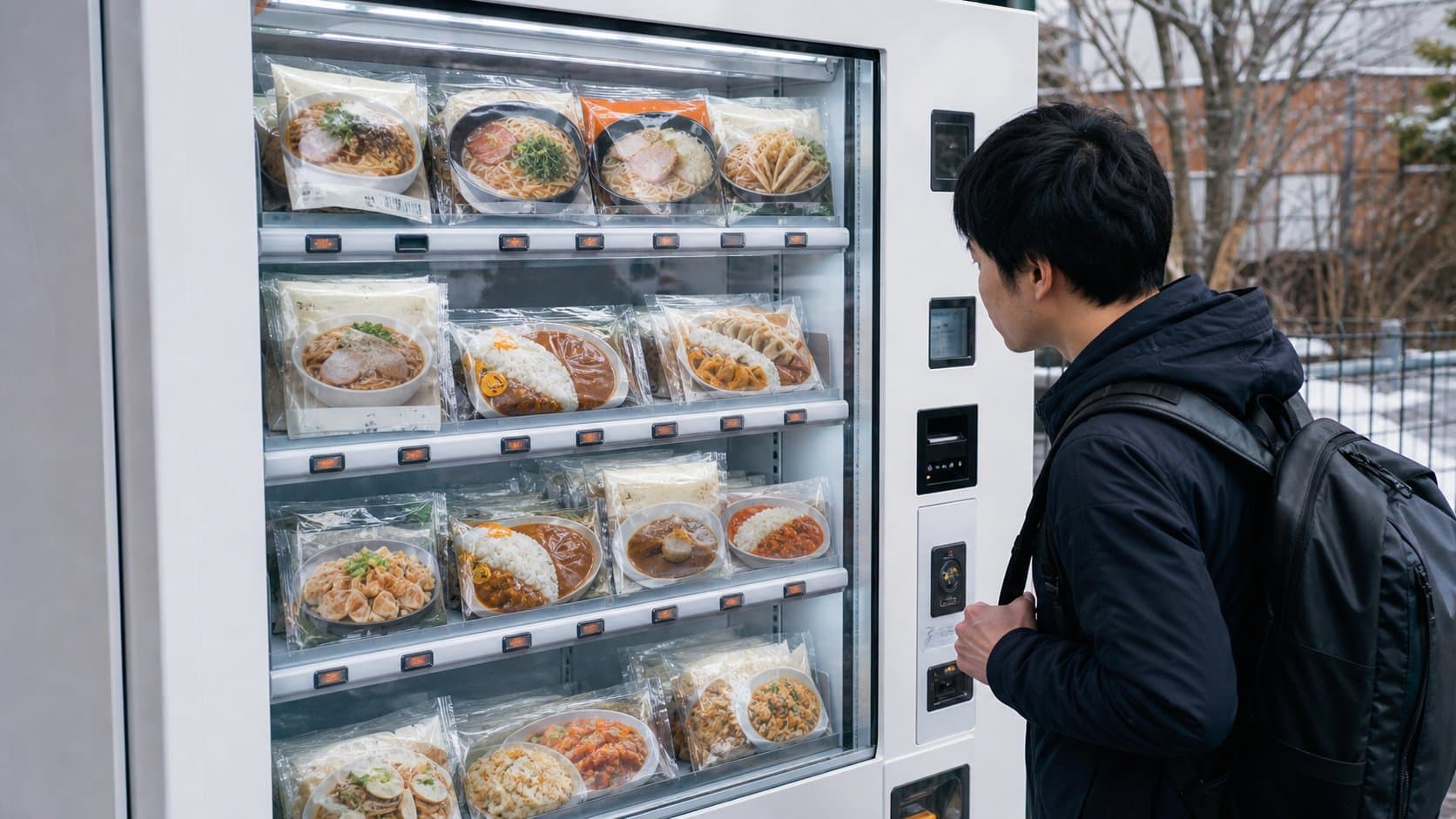
Food vending ranges from shelf-stable snacks to frozen meal kits, so preparation requirements matter more than novelty. The most important question is not whether a machine looks unusual, but whether the product is ready to eat, chilled, frozen or intended for cooking later.
What you will actually find
Documented formats include retort curry, ice cream, frozen ramen, vegetables, rice, bread, canned foods and regional products. A restaurant ticket machine is different: it sells an order ticket and staff prepare the meal. A freezer machine usually dispenses a sealed take-home kit. A locker-style farm stand may rely on a different payment and storage system altogether.
Practical advice
Before paying, read the storage condition, best-before or use-by date, allergens and cooking directions. Japan’s Consumer Affairs Agency explains that packaged food labels are in Japanese and distinguishes best-before dates from use-by dates. Use a translation tool, but do not rely on visual recognition when an allergy or dietary restriction matters. Confirm that your accommodation permits cooking and has the required microwave, pan or freezer space.
Five formats travelers should distinguish
Ready-to-eat packaged products can usually be opened immediately. Chilled food must be kept cold and consumed within its label instructions. Frozen meal kits need transport time and cooking equipment. Shelf-stable cans or retort pouches may still require heating. Restaurant ticket machines dispense a ticket, not food, and the order is completed by staff. The machine or package should make the format clear before you buy.
A safe label-reading sequence
Find the product name, price, storage instruction, expiration wording, ingredient list, allergen statement and preparation method. The Consumer Affairs Agency notes that Japan’s mandatory and recommended allergen lists do not perfectly match those in every other country. If the label is unclear, do not assume a product is safe because a similar item was safe at home.
How to carry a purchase
Collect frozen or chilled food near the end of your outing, keep it out of direct sun and follow the package time and temperature instructions. Do not carry a frozen product through a full sightseeing day and then refreeze it. For bottles or cans, inspect the seal and packaging before opening. Keep a receipt or photograph of the operator panel until you know the product and machine worked correctly.
Before you press the button
- Identify whether the item is ready to eat, chilled, frozen or shelf-stable.
- Check ingredients, allergens, date and storage instructions.
- Confirm you have the equipment needed to prepare it.
- Plan how quickly you can refrigerate, freeze or eat it.
- Use the live package and operator details as the final authority.
What not to assume
Do not describe every food machine as serving a hot meal. Product photos may show a prepared serving even when the machine sells a frozen kit. The live package and operator instructions are authoritative.
Sources and verification
- Consumer Affairs Agency food-labelling guidance
- METI analysis of food and other vending machines
- Japan Soft Drink Association vending-machine guidelines
Research status: reviewed July 13, 2026. Prices, products and installations can change; the live machine and operator are authoritative.
Continue planning your Japan trip
Build a complete Fukuoka itinerary
Use this vending-culture stop as part of a fuller trip. Our in-depth Fukuoka guide includes a realistic regional route, seasonal advice, transport planning, local food picks, official sources and licensed photography.
Help improve this field guide
Seen a machine we should verify?
Share a dated observation, current products, price, map pin or correction. The editorial team reviews evidence before updating the public database.
About the author
Japan Vending Guide Editorial Team
Our English-language editorial team documents Japan’s vending culture using cautious sourcing and location verification. Unverified details remain clearly marked.
Read our editorial policy →