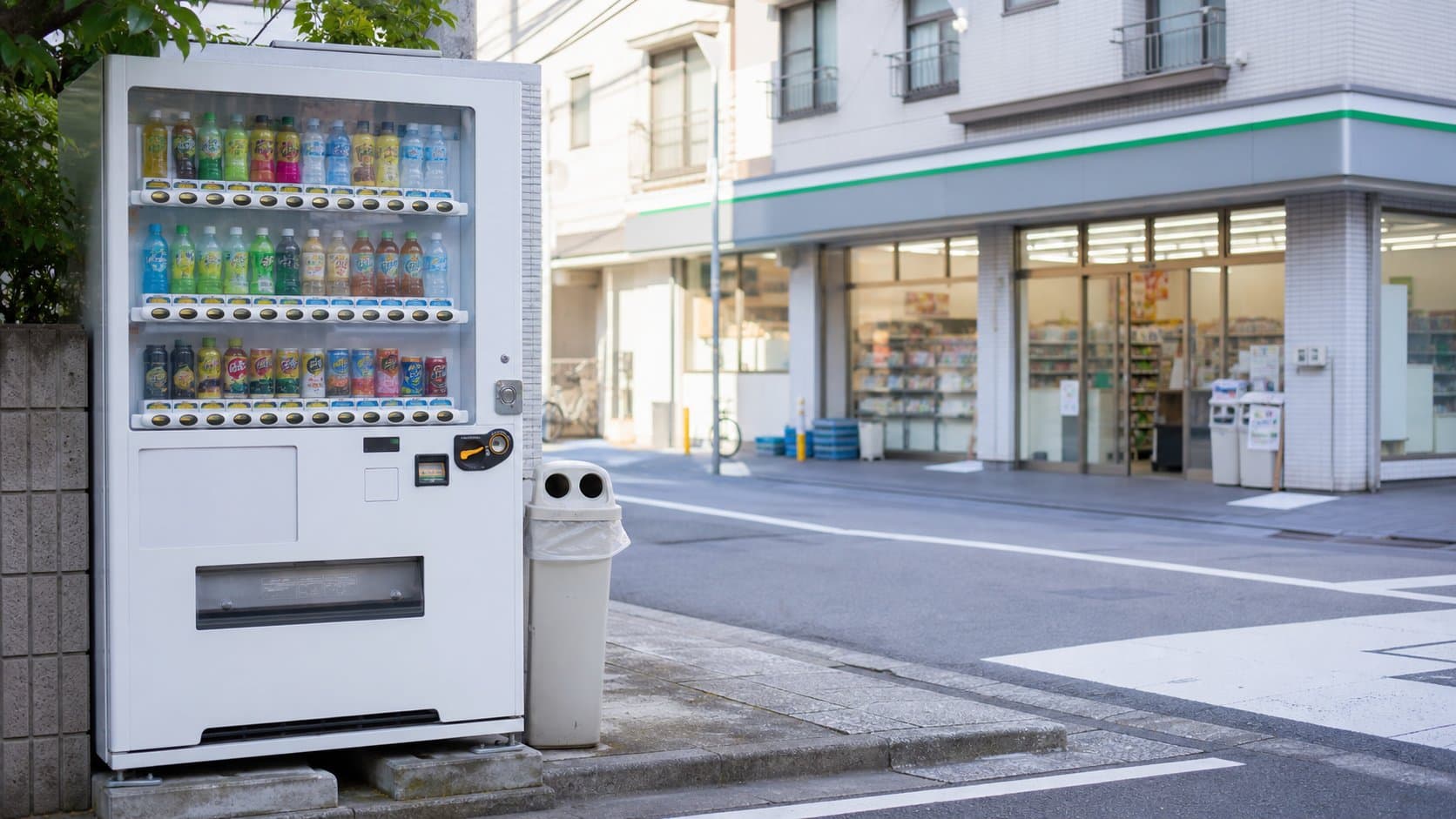
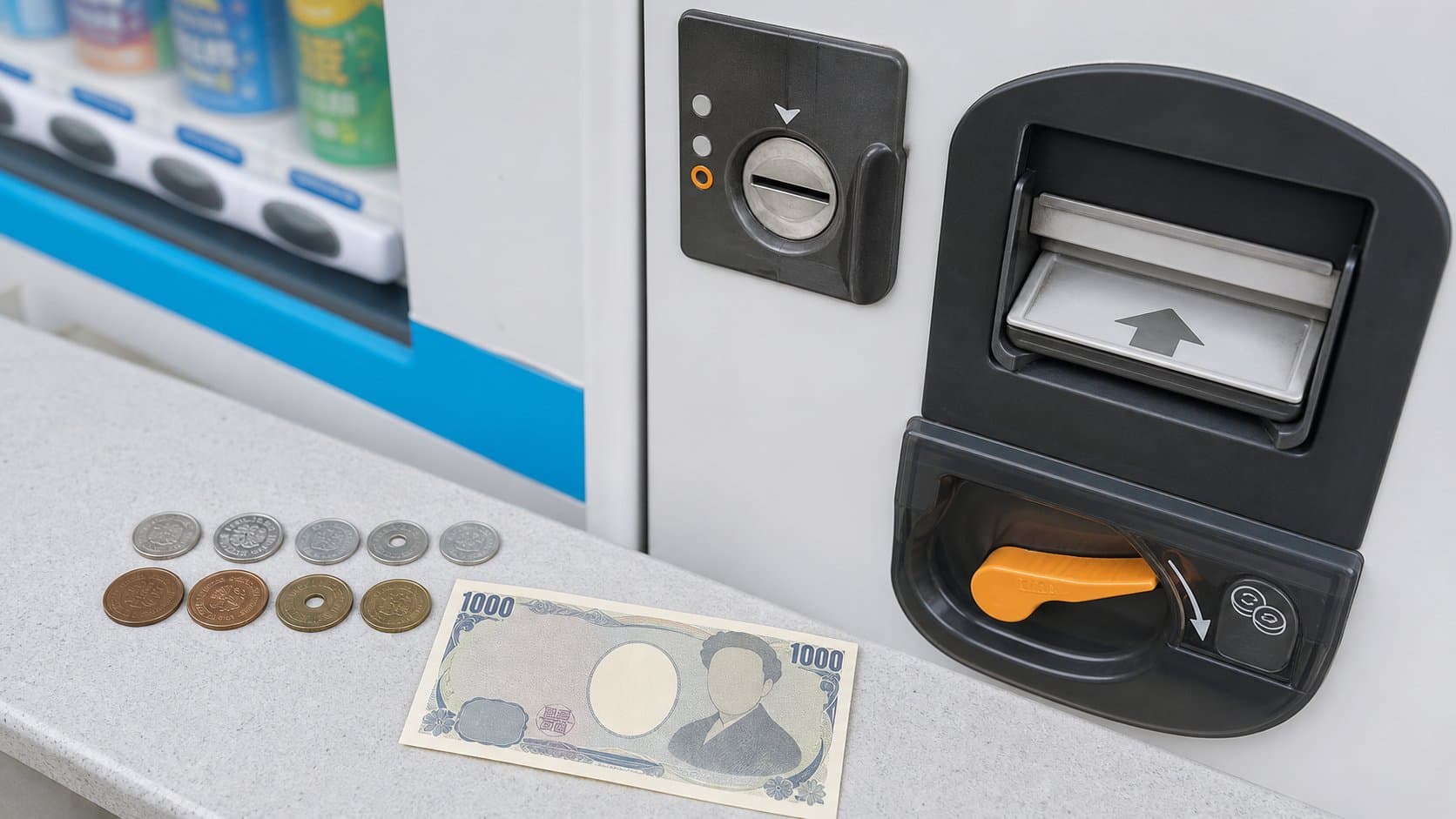
The History of Vending Machines in Japan
A concise timeline of how vending in Japan developed into a familiar part of the streetscape.
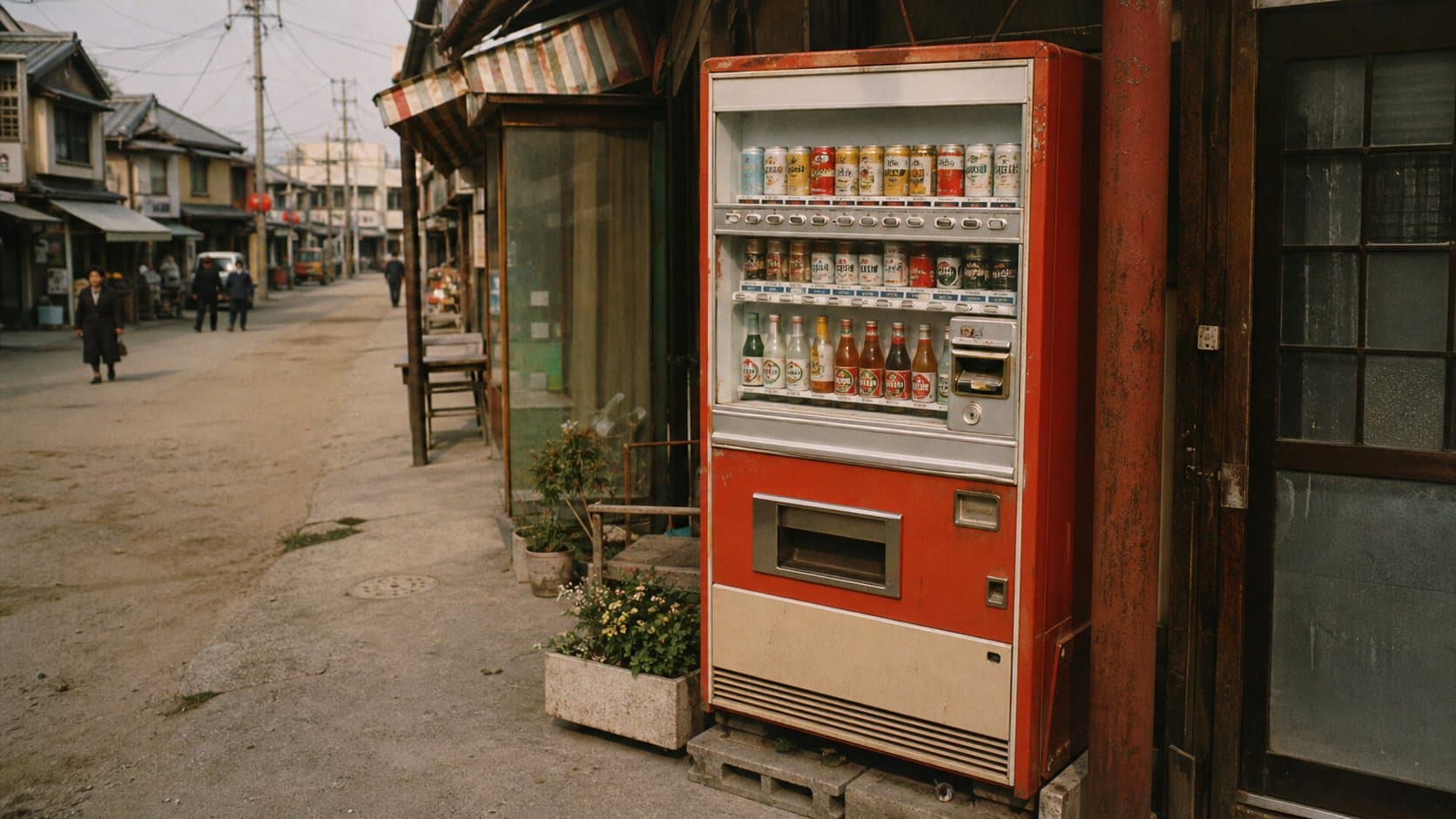
Japan’s vending history is broader than today’s illuminated drink machines. It includes early mechanical dispensers, tobacco and ticket equipment, the postwar spread of packaged beverages, machines able to keep products hot and cold, and today’s cashless, frozen-food and specialty formats.
What you will actually find
The Japan Soft Drink Association’s 2026 Vending Machine Day announcement associates March 21 with inventor Tawaraya Koshichi, born in 1854, and describes his 1888 tobacco machine as the oldest known Japanese example. That wording matters: ‘oldest known’ is more careful than claiming that one surviving object settles every definition of the country’s first machine.
Practical advice
When visiting a preserved machine, check whether it is an original unit, restored equipment, a replica or a modern machine in a retro setting. Read the exhibit date and operator notes. A nostalgic photograph may document a real format without proving that the machine remains commercially active today.
From mechanical novelty to beverage channel
Early machines demonstrated that a product could be sold through a mechanism, but widespread adoption required standardized packaging, dependable coin validation, refrigeration, power and a route system able to replenish many locations. The story is therefore not one invention followed by instant national growth; it is a sequence of retail and infrastructure improvements.
The hot-and-cold machine changed the experience
Drink vending became more useful when one machine could serve seasonal demand rather than offer the same temperature all year. Hot canned coffee and tea became winter conveniences while chilled drinks remained central in warmer months. Modern temperature labels and insulated cabinets are part of the reason today’s drink machine feels like everyday infrastructure rather than a mechanical curiosity.
Peak visibility does not mean constant growth
The Japan Soft Drink Association records 2,175,800 soft-drink machines in 2000, then notes pressure on per-machine sales as customers shifted toward staffed retail channels. METI’s later analysis reported a wider installed base of about 2.7 million machines at the end of 2021 but described overall installation as saturated and beverage units as declining. The categories and dates differ, so the numbers should be read as separate snapshots, not one continuous total.
The current chapter is diversification
Food, toys, tickets, digital screens and contactless payment have expanded what travelers call a vending machine. METI noted growth in food and ‘other’ production categories around 2021–2022 even while traditional beverage production had fallen from its earlier peak. The modern story is therefore about changing formats and economics, not simply adding more boxes to streets.
How to verify a historical claim
- Identify the machine category and the definition of ‘first.’
- Check whether the date refers to invention, production, installation or a surviving photograph.
- Separate installed-unit totals from factory production figures.
- Label restored, replica and still-operating machines correctly.
- Use dated museum, government or industry records for timelines.
What not to assume
Simple ‘first machine’ stories vary with the definition of vending. We date statistics, preserve cautious wording such as ‘oldest known’ and do not present a historical photograph as evidence of current operation.
Sources and verification
- Japan Soft Drink Association Vending Machine Day history
- Japan Soft Drink Association soft-drink history
- METI vending-machine statistical review
Research status: reviewed July 13, 2026. Prices, products and installations can change; the live machine and operator are authoritative.
Continue planning your Japan trip
Build a complete Tokyo itinerary
Use this vending-culture stop as part of a fuller trip. Our in-depth Tokyo guide includes a realistic regional route, seasonal advice, transport planning, local food picks, official sources and licensed photography.
Help improve this field guide
Seen a machine we should verify?
Share a dated observation, current products, price, map pin or correction. The editorial team reviews evidence before updating the public database.
About the author
Japan Vending Guide Editorial Team
Our English-language editorial team documents Japan’s vending culture using cautious sourcing and location verification. Unverified details remain clearly marked.
Read our editorial policy →